
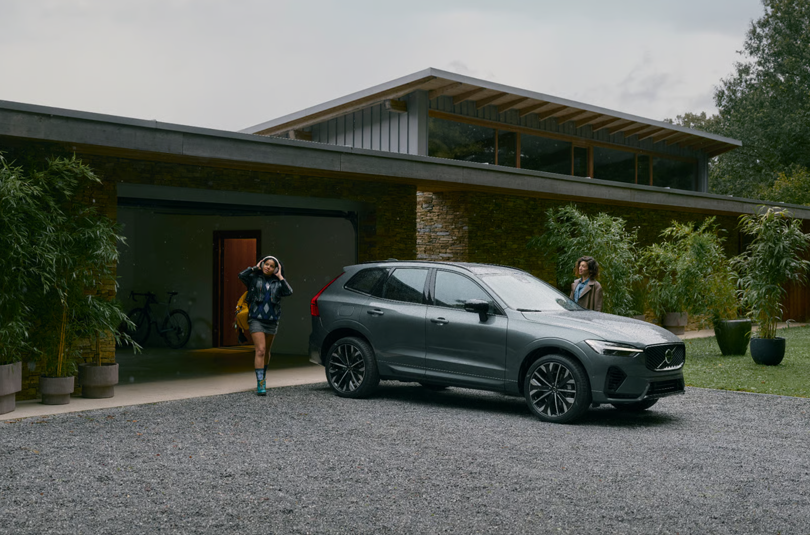
The 2027 Volvo XC60
The best SUV for a Calgary weekday commute should feel just as at home on a weekend escape. The 2027 Volvo XC60 is ready for both with its safety...
Read moreValentine Volvo
A TIME Best Invention
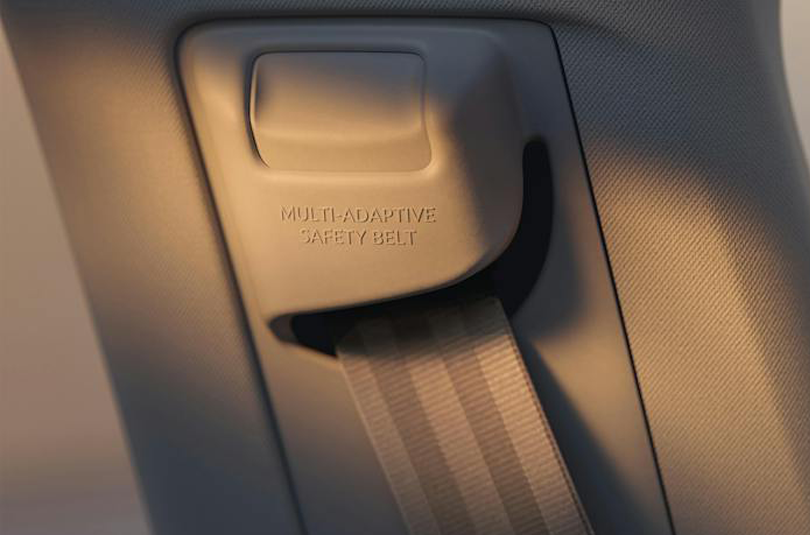
What if your seatbelt could adapt to you?
Volvo is reimagining one of the most important safety innovations in automotive history — and TIME has taken notice. Some of the most important innovations in a vehicle are the ones you hope you never need. Volvo Cars’ multi-adaptive safety belt is one of them.
Recognized as one of TIME magazine’s Best Inventions of 2025, this pioneering technology builds on Volvo’s long history of safety leadership with a new approach to occupant protection: a seatbelt designed to adapt to the person wearing it and the circumstances of a collision.
It’s a significant evolution of a familiar piece of safety equipment — and another example of how Volvo puts people at the centre of automotive innovation.
Volvo’s connection to seatbelt innovation goes back decades. In 1959, Volvo engineer Nils Bohlin introduced the modern three-point safety belt. Volvo made the patent available to other automakers in the interest of wider public safety, helping an innovation developed by one manufacturer benefit drivers and passengers around the world. More than 65 years later, Volvo is building on that legacy.
The multi-adaptive safety belt takes the principle of occupant protection a step further. Rather than applying a single restraint setting across different crash scenarios, the system is designed to adjust how the belt responds based on real-time information about the collision and the person wearing it.
The goal is simple, to help reduce the risk of injury by providing protection that better reflects the circumstances of an accident. Learn more about Volvo's legacy of safety here.
A conventional seatbelt is already an essential part of a vehicle’s safety system. Volvo’s new technology adds another layer of intelligence.
Using information from advanced interior and exterior sensors, the multi-adaptive safety belt considers factors like height, weight, body shape and seating position, alongside information about the collision itself. With this information the system can adjust the belt’s load-limiting response to control how much force the belt applies to the occupant during a crash.
Why does that matter?
Different people need different levels of protection in different collisions. In a severe collision, a larger occupant may benefit from a higher belt load setting to help reduce the risk of head injury. In a less severe collision, a smaller occupant may benefit from a lower setting that helps reduce the risk of rib fractures. By adapting its response to the situation, the Volvo adaptive system provides personalized protection rather than a one-size-fits-all approach.
Every year, TIME magazine publishes its Best Inventions list, highlighting innovations with the potential to make a meaningful difference in people’s lives. In October 2025, Volvo’s multi-adaptive safety belt earned a place on the list, recognizing its potential to advance automotive safety.
The award reflects an important shift in how vehicles can protect their occupants. Safety is no longer just about how a vehicle responds to a crash it’s also about using better information to tailor that response to the people involved. For Volvo, this is a natural extension of a philosophy that has guided its engineering for generations – understanding people, learning from real-world accidents, and looking for ways to reduce serious injuries.
One of the most interesting aspects of the multi-adaptive safety belt is its potential to evolve over time. Volvo has designed the system to support over-the-air software updates. As the company gathers more insights and develops its understanding of different occupants and collision scenarios, compatible updates can refine the system’s capabilities. That means the technology is designed with improvement in mind, rather than being permanently fixed the moment it leaves the factory.
Volvo’s multi-adaptive safety belt made its debut in the fully electric Volvo EX60, bringing this next-generation approach to protection into a new generation of vehicles. The EX60 combines advanced safety technology with electric performance, thoughtful Scandinavian design and a connected driving experience.
Volvo’s multi-adaptive safety belt is a reminder that meaningful innovation isn’t always dramatic. Sometimes, it’s about rethinking something familiar to see how it can work better for the people who have come to rely on it.
From the introduction of the three-point safety belt in 1959 to today’s intelligent, adaptive protection systems, Volvo continues to explore new ways to make safety more personal. Recognition from TIME is an important milestone, but the real achievement is the potential to protect more people and to save more lives.
Discover Volvo’s approach to safety and innovation at Valentine Volvo in Calgary. Our team would be happy to show you the latest models in our lineup and share more about the technologies that are shaping the future of driving.
Shop our inventory here.
The 2027 Volvo XC60
The best SUV for a Calgary weekday commute should feel just as at home on a weekend escape. The 2027 Volvo XC60 is ready for both with its safety...
Read more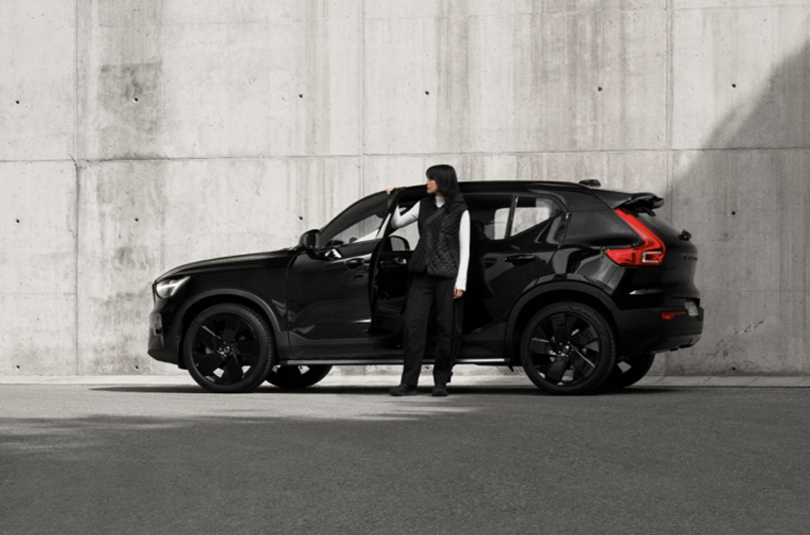
The Calgary Buyer’s Guide to the 2026 Volvo XC40:
A compact SUV should make city driving easier without making the rest of your life feel smaller. The 2026 Volvo XC40 brings together a manageable...
Read more
What is a Demo Vehicle?
If you’re shopping for a new Volvo in Calgary, you may come across vehicles listed as “Demo” or “Demonstrator.” But what exactly does that mean? A...
Read morePowered and developed by

